
By Anne-Marie Francis, Head of Creative and Expressive Arts / Head of Drama
Art & Photography, Drama and Music aren't just subjects in the school day, they are spaces where you can explore your passions, think boldly, and bring creative ideas to life. They are subjects taught in environments that encourage big thinking and bold creativity, where taking risks is encouraged and experimentation and exploration are central to learning.
Beyond self-expression, these creative subjects are a powerhouse for developing transferable skills, essential abilities you hone in the practice room, art studio or on stage that help develop your work across every subject.
Think about it: critical thinking, problem-solving, collaboration, confidence, leadership, time management, and effective communication are tools you use every single day in many of your lessons. By learning about and applying them in the arts and then taking them to other subjects to develop this learning even further makes students well-rounded and able to thrive in a number of environments in the school day; from lesson through to EPAs.
Every time you rehearse a scene, refine a photo, or compose a piece of music, you're strengthening skills that help you excel across the entire school community.
Looking ahead to IGCSEs, A-Level or University? These skills give you a distinct edge.
As Tim Bradshaw, Chief Executive of the Russell Group Universities, highlights, "Universities, like many employers, value a rounded education. If a budding scientist meets their course requirements with Biology and Maths, why not complement them with an arts subject?"
The CEArts subjects offered at Alice Smith School allow for rich, memorable experiences that will make your personal statement and interviews truly stand out. Polly Lavell, History student, University of Oxford, states that:
Studying historical theatre practitioners like Brecht in A-Level Drama and Theatre gave me a more rich and deep understanding of historical contexts. My personal statement and interview at Oxford focused on how theatre can be a lens through which I can have a personal engagement with history.
Imagine being able to talk about your favourite playwright, artist or musician and how their work links to the themes of your interview or to share your thoughts on a concert or art exhibition you went to with university lecturers beyond what you are studying: this is a great example of how a high school education in the Arts develops you as an ‘all-round’ student.
Take a walk through the CEArts faculty any day of the week. You'll hear musicians rehearsing masterworks or composing original pieces, guided by passionate teachers and collaborating in ensembles or making waves in vibrant music EPAs.

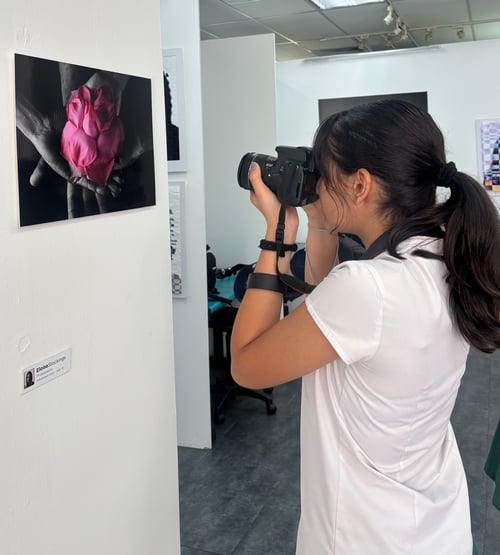
Around campus, photography students capture unique perspectives, learning to view the world through fresh angles. In the Art studios, students dive deep into colour, tone and texture, drawing inspiration from a range of artists and always guided with expert feedback from their teachers.
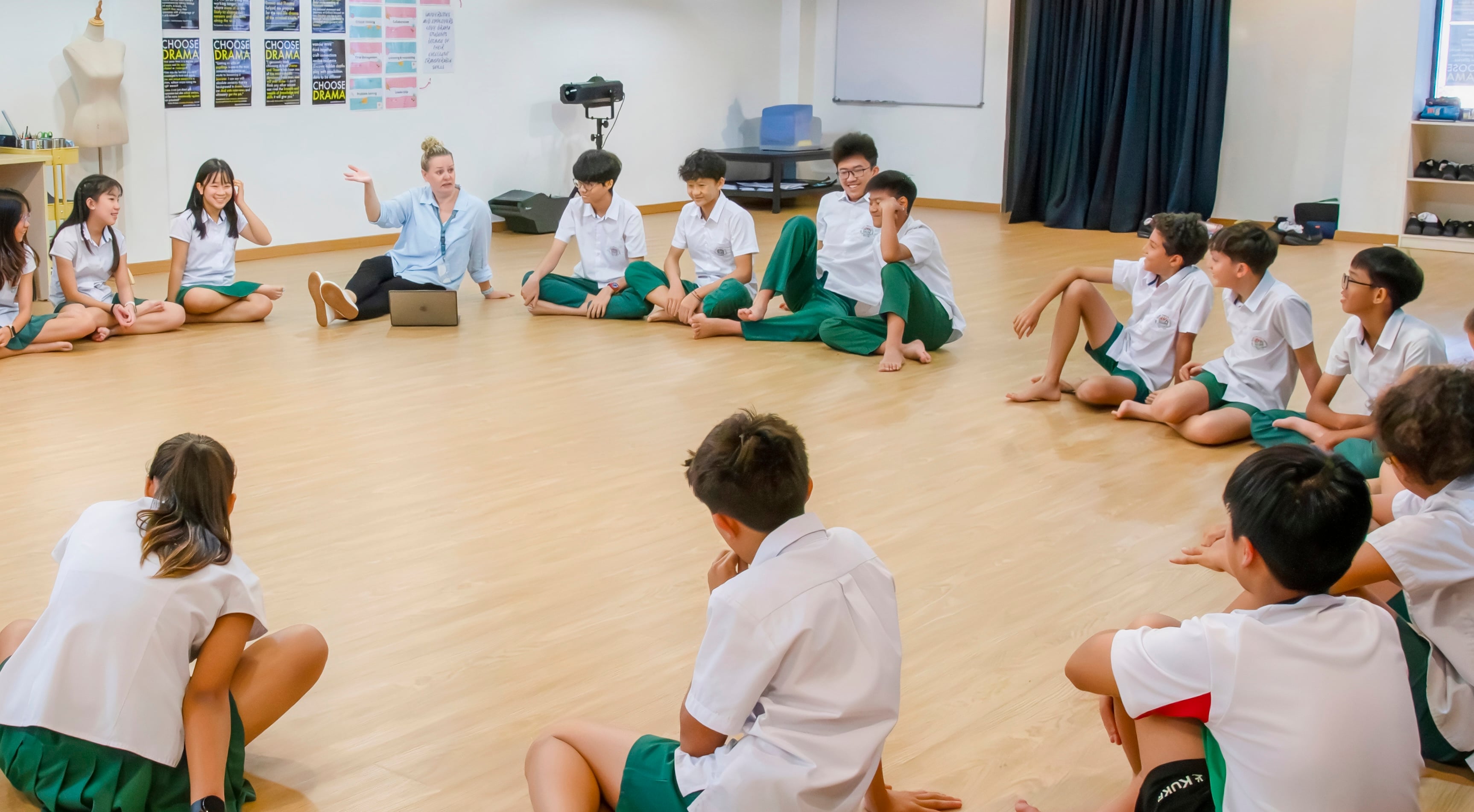
Step into the Drama studios and you'll find energy and passion. First-time actors finding their voice, while seasoned performers hone their craft under the direction of teachers who double as directors and designers, bringing remarkable productions to life.
If you haven't experienced the CEArts faculty yet, drop by, ask questions and jump into an EPA next season.
There's a place for everyone to create!