
At Alice Smith, learning is not simply about acquiring knowledge. It is about understanding how knowledge is connected, constructed and applied. This belief sits at the heart of our Exploration Cycle, a framework developed over 12 months during the 2024–25 academic year through collaboration between department representatives, school leaders and external partners.
The Exploration Cycle builds intentionally on the strong foundation already established in the Primary School, where learning is shaped through a concept-based inquiry approach. Curiosity, questioning and engagement with big ideas are already familiar to our students. The cycle provides continuity as they transition into Secondary School, giving them a shared language for learning and strengthening key competencies such as critical thinking, organisation, reflection and the ability to transfer understanding across contexts.
These competencies are not only important in Year 7 but also essential as students move toward GCSE and A-Level study, when the depth of understanding, clarity of reasoning, and application of knowledge become increasingly significant.
This year, elements of the Exploration Cycle have been introduced across Year 7, providing students with a consistent way to understand how learning works across different subjects. Importantly, this is not a short-term initiative. The framework is already extending into Year 8 in several subject areas, ensuring that these habits of thinking continue to develop over time.
The Exploration Cycle in Action
The Exploration Cycle is not a rigid formula. It is a flexible framework that respects the distinct nature of each discipline. While the underlying thinking process remains consistent, its expression differs across subjects:
- In Humanities, students investigate big ideas such as power, identity and change, investigate multiple perspectives, organise timelines and connections, demonstrate through debates linking the past to the present and reflect on personal relevance.
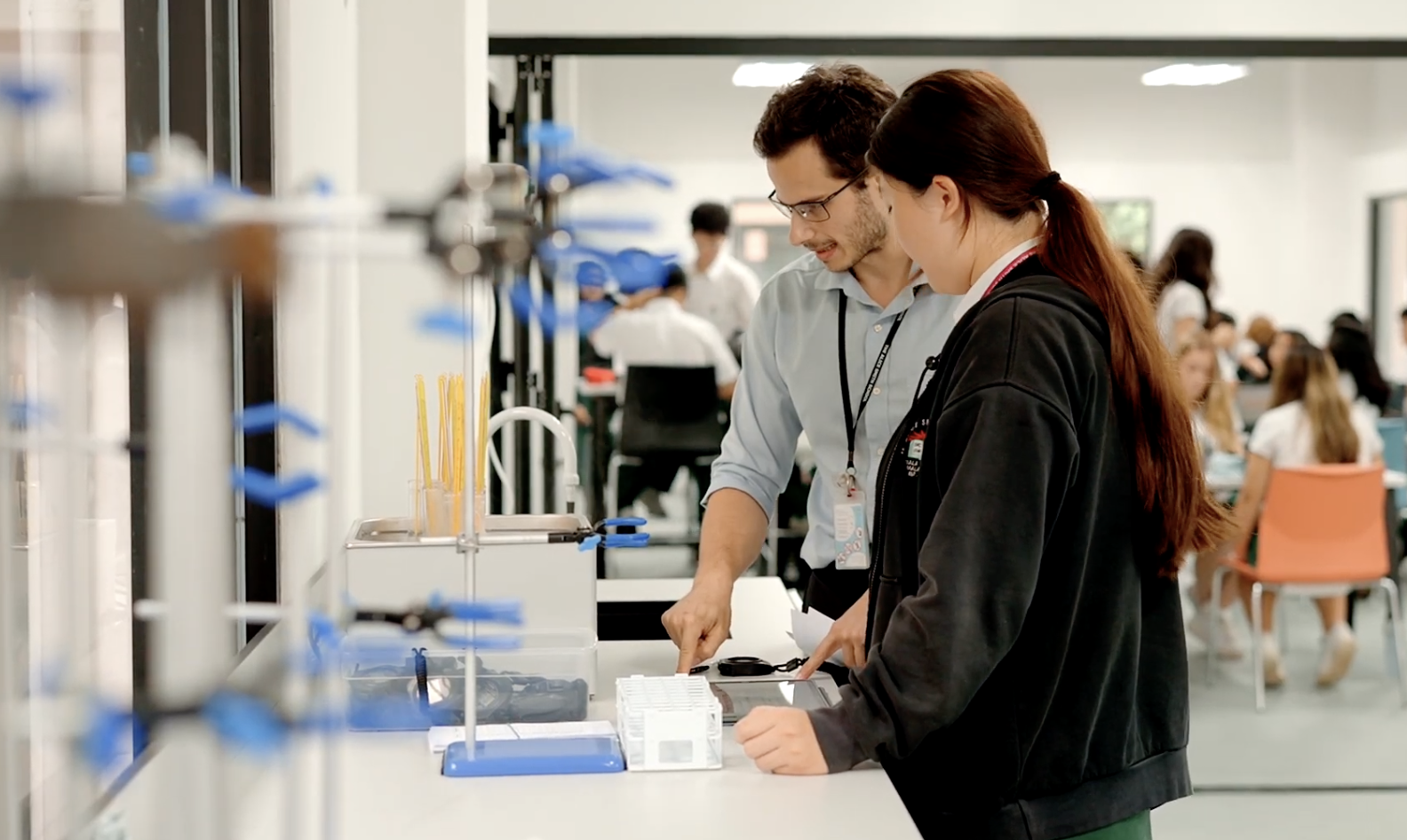
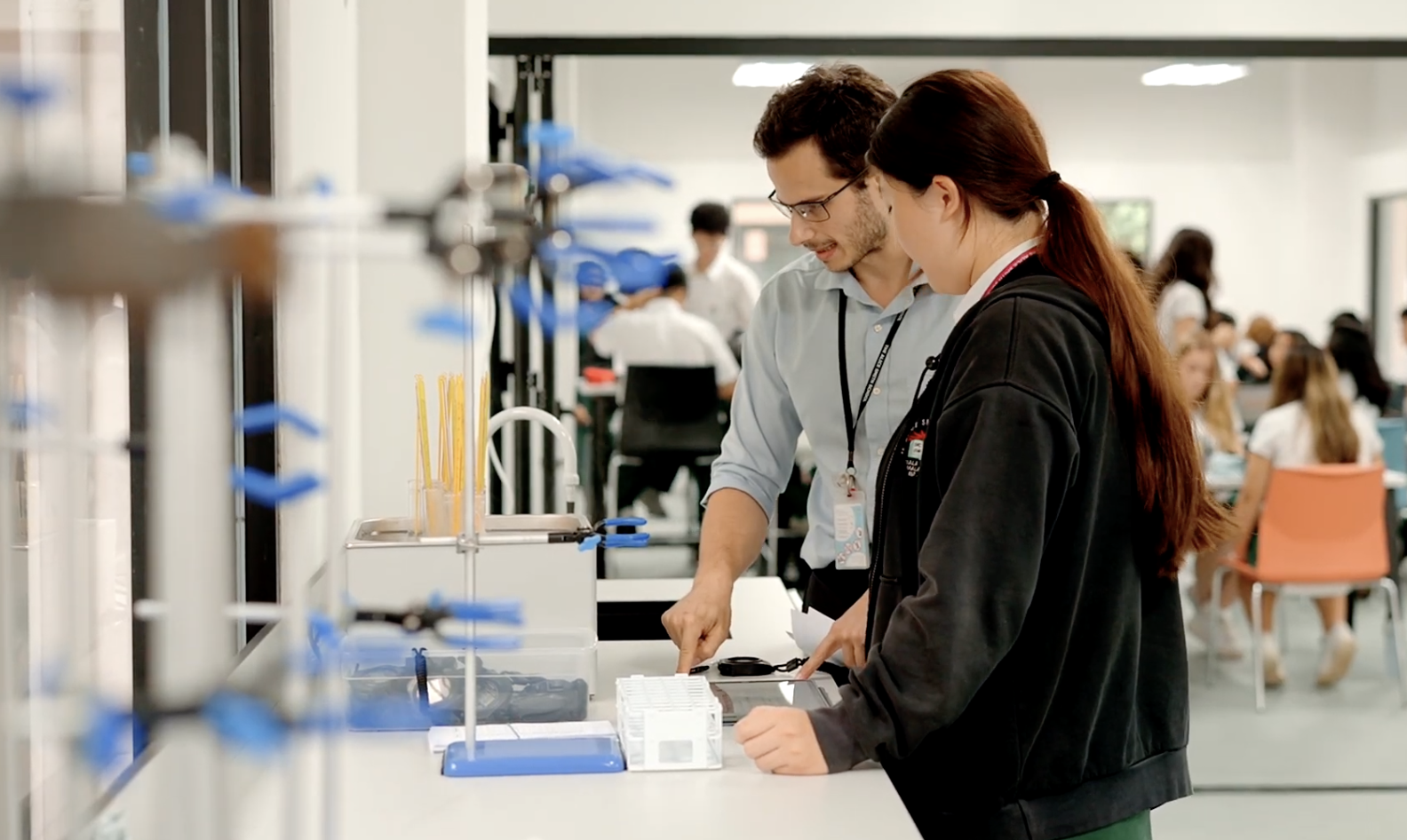
- In Science, learning begins with real-world phenomena, encouraging investigation through experimentation, organisation of data trends, demonstration of evidence-based models, and reflection on sustainable impacts.
- In English, students explore key concepts and themes, investigate language and intent, organise thematic links, demonstrate thoughtful interpretations, and reflect on the power of real-world storytelling.
- In Mathematics, students examine patterns and relationships, investigate logically, organise into precise models, demonstrate transferable solutions, and reflect on broader applications.
Different subjects. Different approaches. The same commitment to deep understanding.
For students, the cycle builds resilience by normalising productive struggle, turning "I don't get it yet" into "What if I try this?". Students go through a cycle of learning acquisition from context to concepts to investigation and organisation, and then demonstrate and show their knowledge transfer, distilling and personalising it, reflecting on their learning with real-world elements. This structure empowers students to own their learning, turning passive reception into active discovery.
Empowering Our Students and Community
This cycle fosters independence by embedding real-world elements and personalised distillation. Year 7 feedback highlights growing confidence in knowledge transfer. Teachers value its flexibility for richer cross-subject links, while parents can reinforce it at home: "What sparked your thinking today?" or "How will you demonstrate this?"
As a school, we remain committed to evolving our practice in response to a complex and changing world. The Exploration Cycle strengthens academic rigour with independence, resilience, and reflection. By encouraging courageous exploration, we are not simply preparing students for examinations; we are equipping them with the skills to learn and to keep learning, long beyond their time in our classrooms.