
By Mary Thorp, Year 8 Leader
The teenage years are a time of rapid physical growth, brain development and increasing independence. Alongside academic demands and busy social lives, two factors play a particularly powerful role in how well young people function day to day: nutrition and sleep. Yet both are often surrounded by misconceptions, pressure and mixed messages.
Understanding how food and sleep affect energy levels, mental wellbeing and learning can help parents support their teenagers in building routines that are realistic, resilient and sustainable throughout secondary school.
Nutrition: Beyond “Good” and “Bad” Foods
By secondary school, students already have a strong foundation in the science of nutrition. In Year 8, they learn about balanced diets, energy content and what happens when nutrition is lacking. This learning is revisited in Year 10 Biology, where students explore food groups, energy requirements, deficiency diseases and the links between diet and cardiovascular health.
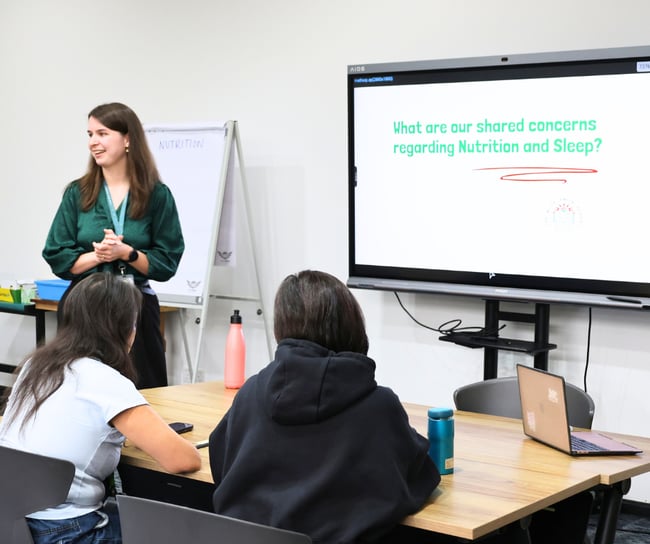
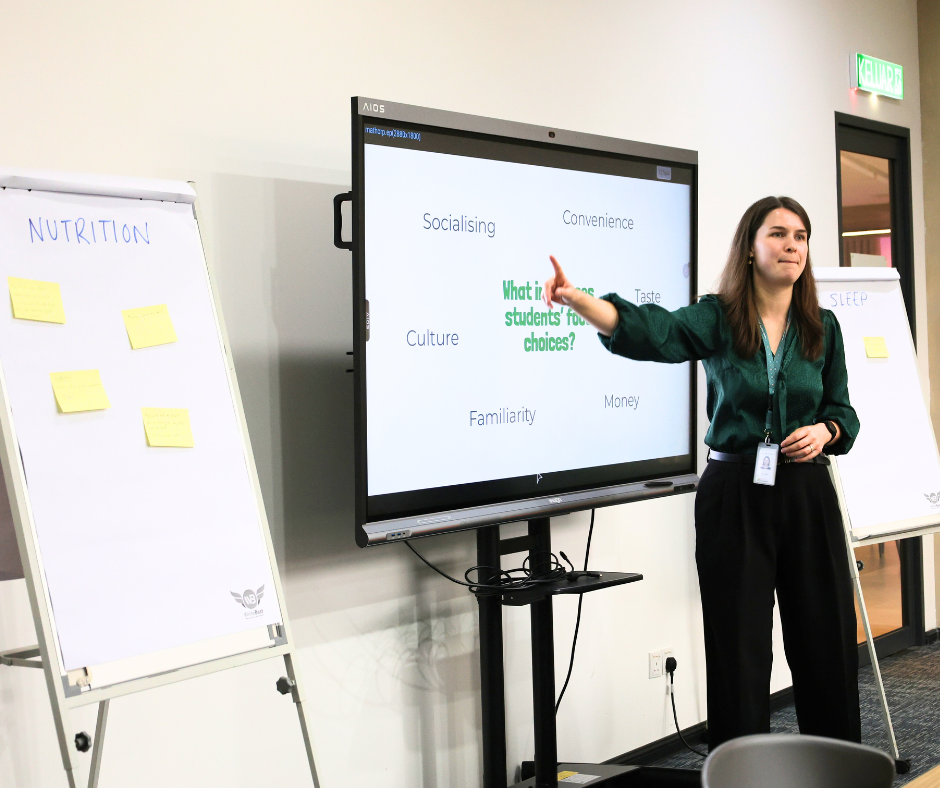
Despite this knowledge, food choices are rarely driven by science alone. Teenagers are influenced by convenience, taste, socialising, culture and familiarity. Busy schedules and growing independence often mean food decisions are made quickly and socially, rather than thoughtfully.
One area of growing scientific interest is the gut microbiome. Each individual has a unique microbiome, and research shows that the gut and brain communicate constantly. Fibre is the main food source for gut bacteria, and diversity in diet supports both physical health and mental wellbeing. This highlights the importance of variety, rather than restriction.
The Power of Language Around Food
How adults talk about food matters just as much as what is served. Well-intended phrases can sometimes increase anxiety or shame around eating. Shifting towards neutral, supportive language helps teenagers listen to their bodies and develop a healthier relationship with food.
For example:
- Instead of “Go on, I’ll let you have a treat”, try: “You can have a cookie if you’d like.”
- Instead of “That’s unhealthy”, try: “Let’s choose something that will keep you full for longer.”
- Instead of “That’s full of sugar”, try: “That food gives quick energy.”
- Instead of “Finish everything on your plate”, try: “You can stop when you feel satisfied.”
- Instead of “There’s nothing nutritious there”, try: “Is there something that might help you feel energised for longer?”
Using neutral language lowers anxiety and removes moral judgement from food choices. All foods have some nutritional value - even sugary foods provide glucose, which the body uses for energy. Encouraging mindful eating, focusing on the senses and how food makes us feel, supports long-term healthy habits. Importantly, food conversations should avoid linking eating to weight or body image and instead focus on energy, concentration and wellbeing.
Sleep: An Essential Part of Learning
Sleep is often the first thing sacrificed when teenagers feel under pressure. However, neuroscience shows that sleep is not passive rest - it is an active process essential for learning and emotional regulation.
During sleep, teenagers’ bodies undergo crucial brain development, bone growth, hormone rebalancing and immune system strengthening. Missing sleep doesn’t just lead to tiredness; it affects mood, memory, focus and resilience.
Adolescents are biologically wired to fall asleep later due to hormonal changes that shift their circadian rhythm. Combined with screen use, busy schedules and online entertainment, this makes adequate sleep harder to achieve.
Research consistently shows that staying up late to study has a negative effect on learning. When sleep is sacrificed, students may struggle more with memory recall, emotional regulation and academic performance the following day.
Understanding Sleep Cycles
Sleep occurs in stages, each with a specific function:
- Light sleep supports alertness the next day
- Deep sleep supports physical recovery
- REM sleep supports memory, emotional balance and learning
Missing any of these stages can affect how teenagers feel and function. Darkness plays a critical role, as the brain’s body clock relies on light signals. Evidence shows that light-emitting devices in the evening reduce sleepiness and increase morning fatigue.
Practical, Evidence-Based Sleep Tips
Rather than enforcing rigid rules, small, consistent habits are most effective:
- Regular sleep and wake times matter more than early bedtimes
- Protect a calm wind-down window before sleep
- Agree on screen-off times where possible
- Avoid caffeine in the afternoon and evening
- Use curiosity instead of control: ask how they feel after late nights
- Link sleep to what teens care about — memory, emotions, sport and reaction times
Above all, modelling good habits as adults makes a powerful difference. Supporting autonomy, reinforcing strengths and coaching rather than nagging helps teenagers take ownership of their routines.
Supporting Thriving Teens
By combining evidence-based understanding with empathetic communication, parents can help teenagers build routines that support learning, wellbeing and independence. Sleep and nutrition are not about perfection - they are about creating environments where young people can thrive, both in school and beyond.