
Our 2026 Parent Survey gave us something invaluable: a clear picture of what is working well, where families want more clarity, and what we need to improve next. Across both Primary and Secondary, the message is consistent; parents value partnership, expect strong communication, and want to better understand their child’s learning journey.
What the survey told us?
The survey showed strong engagement from families and provided useful feedback on both strengths and areas for development. In Primary, 260 parents responded, representing a 46% response rate, and the overall tone was largely positive, with many measures improving on last year. In Secondary, feedback also highlighted important strengths in student experience and school culture, while pointing clearly to areas where families want more consistency and clarity, especially around reporting, progress and academic standards.
What stands out across both campuses is that families are not asking for change for its own sake. They are asking for clearer communication, more visible learning, and a more consistent experience for students and parents.
Primary campus insights
In Primary, parents continued to report strong confidence in their child’s safety, wellbeing and sense of belonging. Measures such as feeling safe and secure, understanding behaviour expectations, enjoying school, and being treated fairly all showed improvement or remained strong compared with last year. Parents also continued to affirm the campus's caring culture, with positive responses regarding welfare, support, encouragement and staff approachability.
At the same time, the survey showed that parents want greater clarity around learning and teaching. Feedback indicated a desire for more information about the curriculum, greater visibility into how learning is structured, and clearer support for home learning. The most notable growth in understanding came in pastoral support, where awareness rose significantly, showing that clearer communication is helping families better understand how the school supports children’s wellbeing.
Technology was another area where the survey pointed to both progress and uncertainty. Parents reported moderate confidence in monitoring digital use and saw some value in technology for learning, but they also wanted clearer communication about digital fluency, safe use, critical evaluation and responsible AI expectations. This is why the new Educational Technology and Digital Wellbeing Leader roles at both campuses are important: allowing the school to respond more intentionally to what families have told us they need.
Primary actions already underway
Several actions have already been taken in response to the Primary survey. The campus has seen great parent engagement at 51 parent workshops, 20 learning showcases from Preschool to Year 6, transition sessions for parents, opportunities to observe swimming and the launch of Seesaw. Each of these steps is designed to make learning more visible and help families feel better connected to the life of the school.
We are also working on a clearer Curriculum Map and a new website that will act as a one-stop shop for curriculum clarity. Parents told us they want to see more of the “what” and “how” of learning, and we want to make that information easier to find and more meaningful once they do. In addition, we are introducing focus groups to help improve parent meetings and reporting, ensuring a more consistent experience across the campus.
Secondary campus insights
In Secondary, the survey gave a clear picture of a school where students generally feel safe, supported and known, but where families want more consistency in how learning and progress are communicated. Parents continued to recognise important strengths in the student experience, including safety, care and belonging, as well as the school’s general commitment to student wellbeing. At the same time, there was some focus on areas such as enjoyment of school, feeling encouraged to do their best, and feeling treated fairly, which suggests we need to keep a close eye on pastoral care and the day-to-day student experience.
The learning and teaching responses point to a need for sharper communication about the curriculum, progress and academic expectations. Parents' feedback also suggests that the school needs to do more to help parents understand academic reports, target grades, performance indicators and what their child is learning from lesson to lesson.
Wellbeing and relationships remain a major focus in Secondary, particularly around friendships, conflict and the difference between conflict and bullying online and offline. The recent parent workshop noted a strong emphasis on restorative practice, trusted adult systems, early identification and a consistent pastoral response, which is important because many issues in teenage life are subtle, fast-moving and shaped by online dynamics. The school’s work around The Community Promise, student voice and community culture is designed to help students navigate these challenges in a safe, kind and purposeful way.
Secondary actions already underway
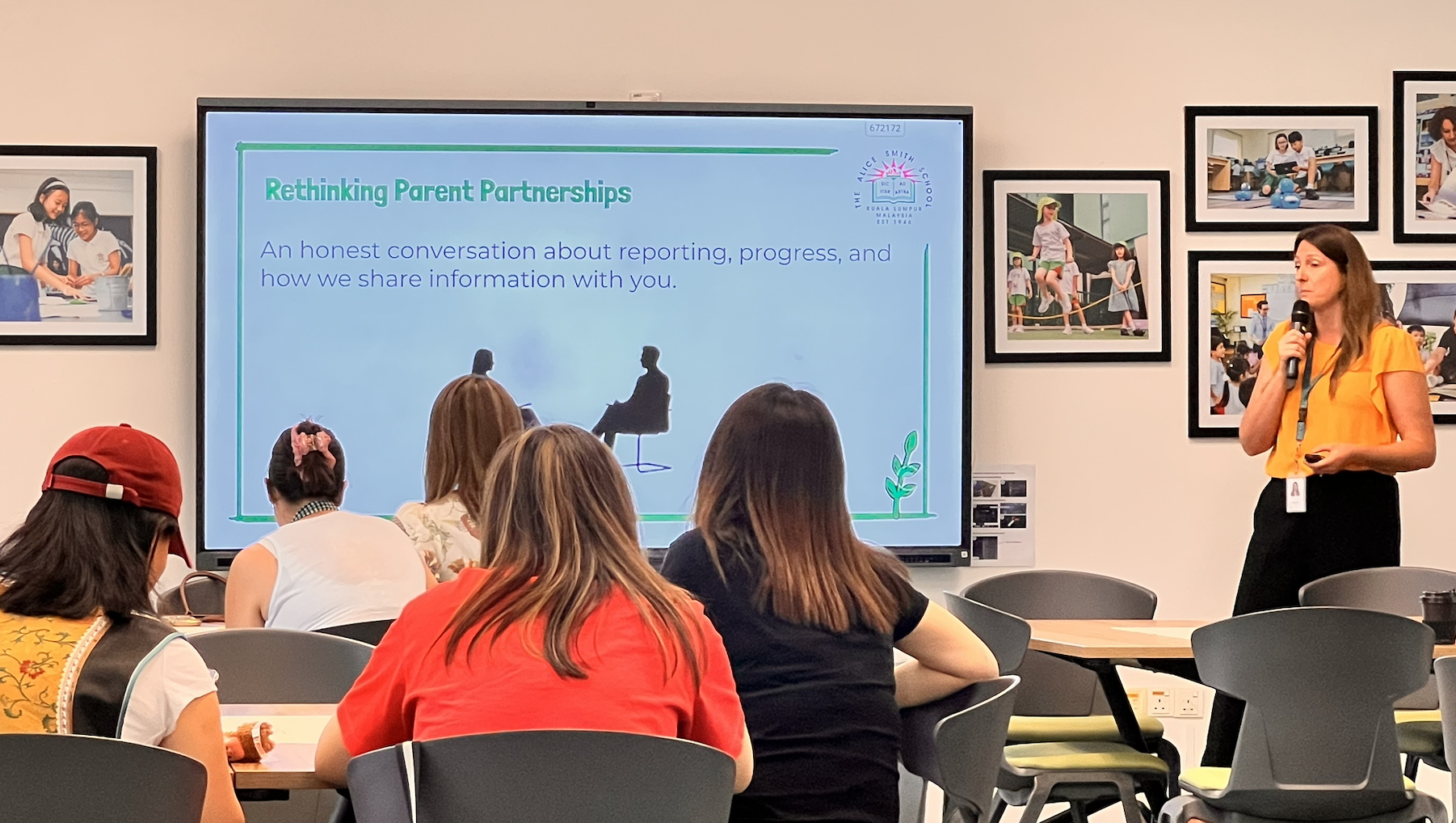
The Secondary parent workshop highlighted several areas where the school is already acting. These include strengthening mastery-based learning, reviewing approaches to phone use and technology, improving student conduct and behaviour, and supporting transition into Year 7 through initiatives such as Thrive Week. The school is also developing clearer reporting processes and better guidance for parents on understanding attainment, curriculum levels, target grades and report comments.
On the wellbeing side, there is ongoing work to embolden student anti-bullying systems, restorative practice, and the wider pastoral approach so that students feel safe, heard and supported. The school is also reviewing the Positive Behaviour Policy, updating bullying procedures, and refining the Community Promise so expectations are clearer and more consistent across the Secondary campus. These actions are designed to create a more intentional academic and pastoral environment for students as they grow through the school.
Why the survey matters?
The annual parent survey is important because it helps us move from anecdote to action. It shows us where families feel confident and where they need more support, and it helps us prioritise improvements that will make the biggest difference. It also strengthens trust, because parents can see that their feedback leads to practical changes in classrooms, reporting, communication and pastoral care.
Just as importantly, the survey helps both campuses stay aligned with families on what matters most: student wellbeing, strong teaching, clear communication and a sense of belonging. It gives us evidence to guide decisions, but it also reminds us that school improvement works best when it is a partnership.
What comes next?
Across Primary and Secondary, our next steps include improving reporting, strengthening communication, clarifying curriculum and learning expectations, and continuing to build stronger partnerships with parents. We will continue to use parent workshops, focus groups and clearer digital platforms to make learning more visible and support families more effectively.