

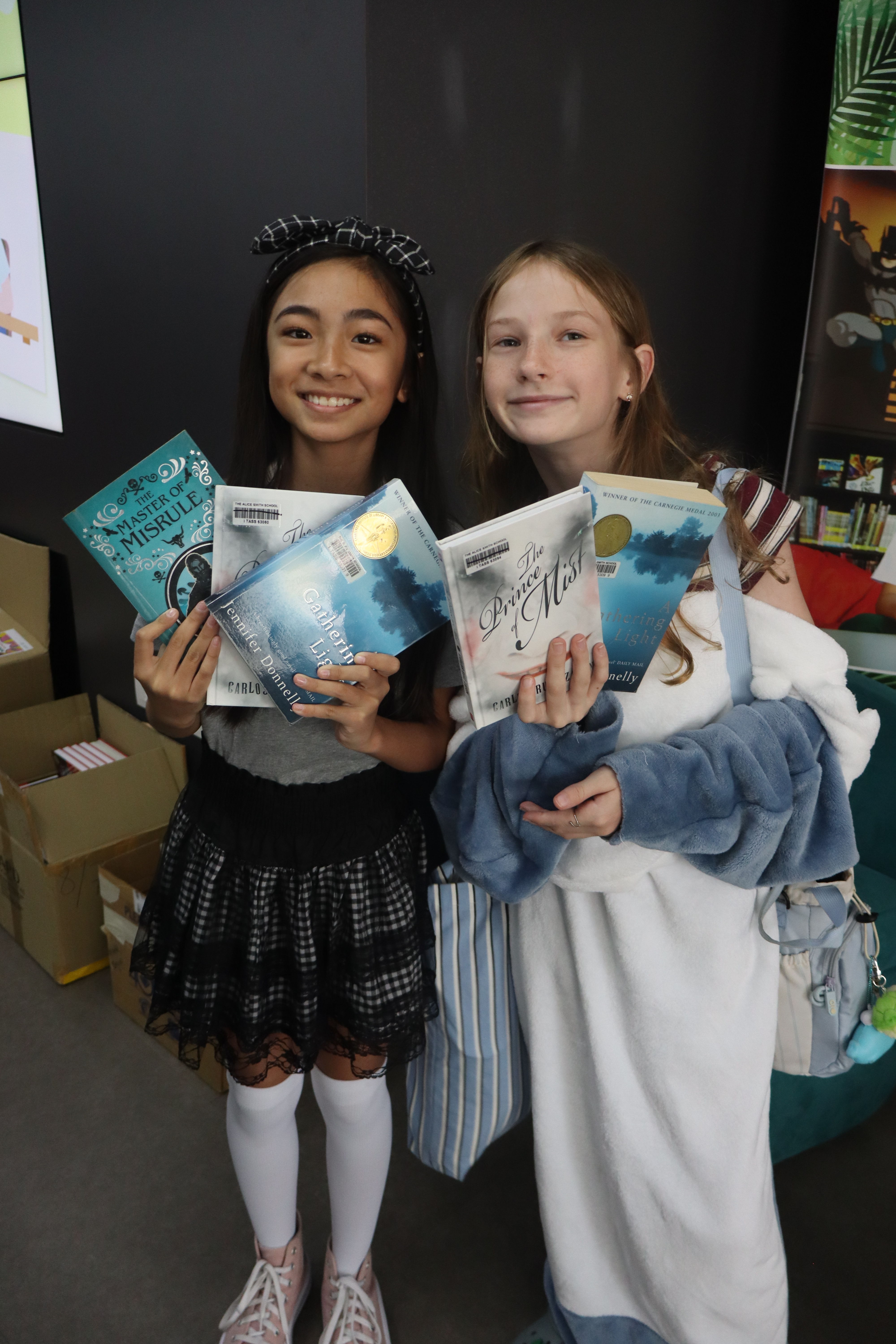
Reading is one of the most powerful habits a child can develop. Beyond academic success, it opens doors to imagination, empathy, relaxation and lifelong learning. While schools play an important role in nurturing reading skills, the home environment can be just as influential in shaping a child’s relationship with books.
Moments like World Book Day are wonderful reminders of the joy that books bring. Seeing students dress-up as beloved characters, share favourite stories and celebrate literature together highlights how powerful reading can be when it is linked with creativity, community and fun. However, the love of reading doesn’t begin and end on a single day - it grows through everyday habits at home and at school.
Research consistently shows that the strongest predictor of reading growth is whether a child reads for pleasure. When young people read because they enjoy it - not simply because it improves grades or vocabulary - they are far more likely to continue reading throughout their lives.
In fact, reading can also support wellbeing. Studies suggest that reading can reduce stress levels by up to 68 percent, making it one of the most effective ways to relax - even more so than going for a walk or playing video games.
Encouraging a positive attitude toward reading at home can therefore make a lasting difference.
Reading Within the Curriculum
Students develop their reading skills through a rich and varied curriculum as they progress through school.
Middle School (Years 7-9)
Students explore a wide range of literary forms, including plays, novels and poetry. This includes studying works by renowned playwrights such as William Shakespeare alongside contemporary texts and non-fiction.
Middle School students also attend weekly library lessons, where they have dedicated time to read independently and explore books that interest them.
Upper School (Years 10-11)
Students continue developing their analytical and critical reading skills while studying for the IGCSE English Language and English Literature courses.
During this stage, students study a Shakespeare play, a novel, another play, 16 anthology poems, and a wide range of extracts from fiction and non-fiction. They are assessed on their understanding of these texts and their ability to interpret unseen passages.
Senior School (A Level Literature option)
Students who choose Literature at A Level engage with an even broader selection of texts, including multiple plays, novels, poetry anthologies and unseen fiction and non-fiction. They also produce coursework and explore critical essays, deepening their understanding of literature and literary analysis.
While this academic foundation is important, reading for pleasure remains the most powerful way to develop confident readers.
Creating a Reading Culture at Home
One of the simplest ways to encourage reading is to make it visible and enjoyable within everyday family life.
Let your child “catch” you reading.
When children see adults reading for enjoyment - whether it’s a novel, a newspaper, or a magazine - it sends a powerful message that reading is valuable and enjoyable.
Keep books accessible.
Make sure a variety of reading materials are easy to reach at home. This could include novels, comics, magazines, graphic novels or non-fiction books on topics your child enjoys.
Give them freedom of choice.
Intrinsic motivation is particularly important for teenagers. When adolescents feel they have control over what they read, they are much more likely to stay engaged.
Continue reading aloud.
Even older children enjoy being read to. For families with children in Year 7, reading aloud together can still be a meaningful shared experience.
Talk about books.
Conversation about reading can be just as valuable as the act of reading itself.
Starting Conversations About Books
Talking about books helps children reflect on what they are reading and deepens their engagement.
Before your child starts a book, ask questions like:
- Why did you choose this book?
- What do you think the story might be about?
- Does it remind you of anything you’ve read or watched before?
- What kind of characters do you think will appear?
While they are reading, try asking:
- What has happened in the story so far?
- What do you think will happen next?
- If you were the main character, what would you do differently?
- Where is the story set? Can you imagine the setting?
After they finish a book, you might ask:
- What was your favourite part of the story?
- Which character did you like most?
- Did the ending surprise you?
- Would you change anything about the story?
These conversations help children think critically about stories while making reading a shared family activity.
Reflecting on the Reading Journey
Encouraging children to reflect on their reading habits can also be helpful.
You might ask questions such as:
- How do you usually discover new books?
- Do you prefer reading physical books or digital versions?
- Do you enjoy re-reading favourite stories?
- Are there genres you particularly enjoy or avoid?
Some children also have “comfort books” or favourite genres they return to again and again. These preferences are part of developing a personal reading identity.
Supporting Reluctant Readers
Sometimes children appear reluctant to read, but this may simply mean they have not yet found the right type of reading material.
Here are a few strategies that can help:
- Value all forms of reading, including graphic novels, magazines or online articles.
- Link books to films or television series your child enjoys that are based on novels.
- Encourage audiobooks, which can be an excellent way to experience stories.
- Discuss books socially, as teenagers are often motivated by shared experiences with friends or family.
Libraries can also play an important role. A welcoming, well-organised library space especially one designed with teenagers in mind - can inspire young people to explore new genres and authors.
Ultimately, the goal is not simply to improve reading skills, but to nurture a lifelong love of reading. When children associate books with enjoyment, curiosity and shared conversation, they are far more likely to continue reading long after their school years.
By creating a positive reading culture at home - one built on choice, conversation and enthusiasm - families can help young people discover the joy, comfort and inspiration that books can offer throughout their lives.